
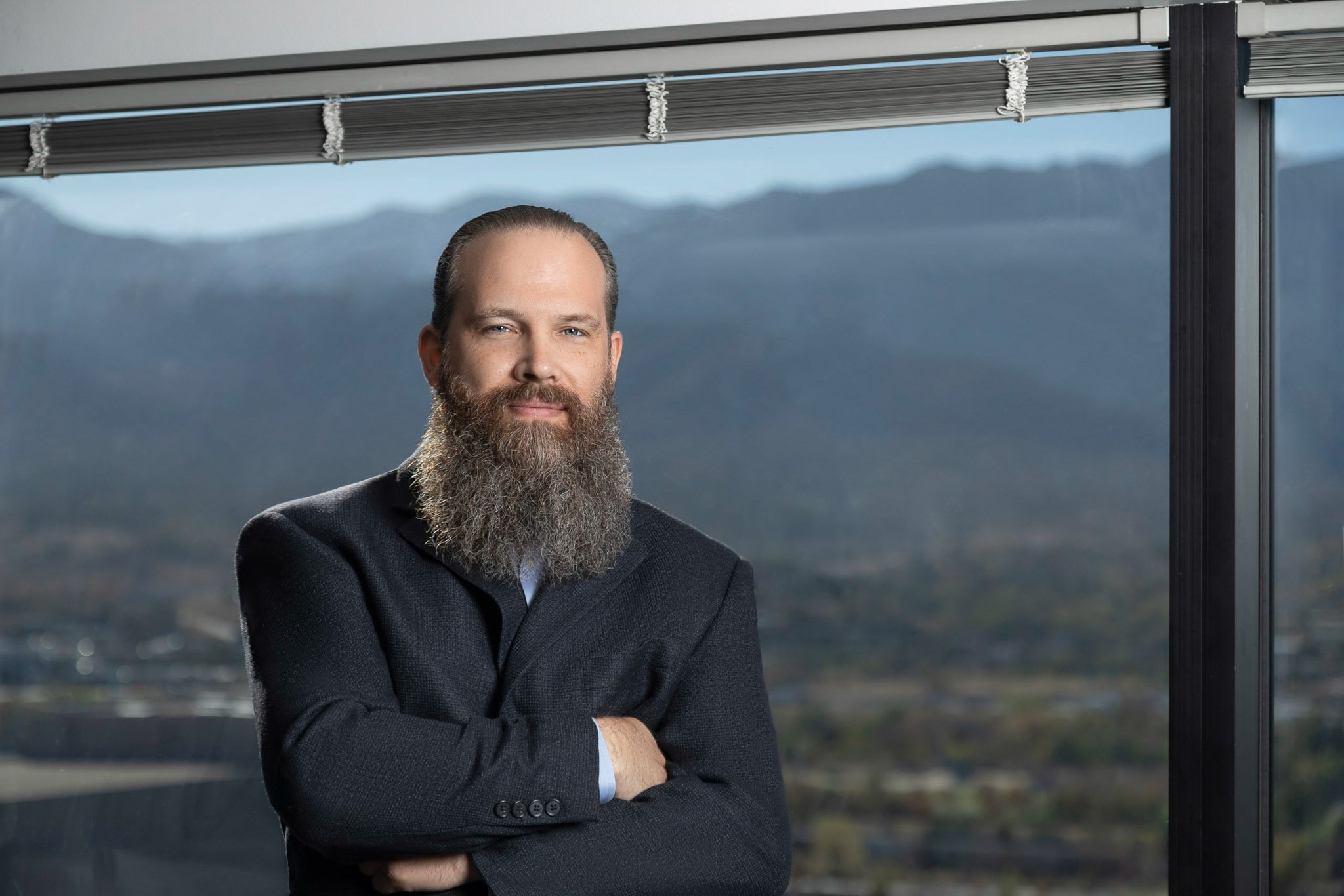
The Psychology of a Great Smile in a Headshot
/When it comes to professional headshots, your smile isn’t just an expression—it’s a powerful tool that can communicate confidence, trustworthiness, and approachability. While many people focus on clothing, background, or lighting, the psychology of a great smile is often overlooked. In this article, we’ll explore why a smile matters, the subtle cues it sends, and how to capture a smile that truly works for your personal or professional brand.
Why Smiles Matter in Headshots
Human beings are wired to respond to facial expressions. A genuine smile signals friendliness, warmth, and openness. In contrast, a forced or tight-lipped smile can convey tension or discomfort, even if you feel confident inside. For professionals, first impressions are critical. Research in social psychology consistently shows that a person with a warm, authentic smile is perceived as more competent, approachable, and trustworthy.
Whether you’re updating your LinkedIn profile, building a personal brand, or refreshing your business website, your headshot often becomes the first interaction people have with you. That momentary glance at your photo can influence whether someone decides to reach out, hire you, or remember you. In short, your smile has a direct impact on your professional image.
The Science Behind a Smile
Smiles are more than aesthetic—they’re rooted in neuroscience and social behavior. When you smile genuinely, your brain releases endorphins, which reduce stress and create a natural sense of relaxation. This chemical response also helps you appear more approachable and authentically confident in photographs.
Interestingly, studies differentiate between two types of smiles: the Duchenne smile and the non-Duchenne smile. A Duchenne smile engages not just the mouth but also the eyes, creating the subtle crinkle at the corners known as “crow’s feet.” This type of smile is universally perceived as sincere and warm, while a non-Duchenne smile can seem superficial or staged. For a professional headshot, achieving a Duchenne smile is often the goal because it communicates trustworthiness and authenticity without words.
Smiling and Professional Branding
In a crowded digital landscape, a professional headshot serves as your visual branding. Your smile plays a significant role in shaping how clients, colleagues, or potential employers perceive you. A friendly and confident expression can create an emotional connection, even before you’ve met someone in person.
For entrepreneurs and professionals, the right smile can influence key business outcomes. For instance:
In networking and sales: People are more likely to engage with individuals who appear approachable.
In online profiles: Smiling in your headshot increases perceived friendliness and trust.
In marketing materials: A confident smile can reinforce brand values such as reliability, warmth, and professionalism.
By understanding the psychology behind smiles, you can intentionally craft a headshot that not only looks great but also communicates your professional identity.
Common Mistakes to Avoid
Even experienced professionals often make subtle mistakes when smiling for a headshot. Being aware of these can dramatically improve your final image:
Overthinking your smile – Trying too hard to look happy can produce a stiff, unnatural expression.
Ignoring your eyes – The eyes are just as important as the mouth; a smile without eye engagement can feel flat.
Tension in the jaw or lips – Holding tension can make even a genuine smile look forced.
Inconsistent emotion – Your smile should match the tone of your brand. A playful smile may suit creative industries, while a subtle, confident smile may better suit corporate settings.
Tips for Achieving a Genuine Smile in Your Headshot
Capturing a great smile doesn’t have to be difficult. Here are professional tips to help you look natural and confident:
Relax your face and body: Tension shows up in photos. Take a deep breath, shake out your shoulders, and let your expression soften.
Think of something positive: Recalling a happy memory or imagining a friendly conversation can produce a natural smile.
Engage your eyes: Practice smiling with your eyes by slightly squinting to create that Duchenne effect.
Practice in front of a mirror: Experiment with slight variations until you find a natural, comfortable smile.
Trust your photographer: A skilled professional can guide you with prompts and feedback to bring out your best expression.
Lighting, Angles, and Composition
While your smile is the star of the headshot, other factors contribute to how it reads on camera. Proper lighting, angles, and composition can enhance or diminish the impact of your expression. For instance, soft, natural light reduces harsh shadows and highlights the contours of your face, making your smile appear more radiant. Angles also matter—slightly tilting your head can make a smile look more dynamic and approachable.
When preparing for a headshot, it’s important to communicate your goals with your photographer. Do you want a casual, approachable look, or a polished, corporate-ready expression? A professional photographer will help you achieve a smile that aligns with your personal or business branding.
Cultural Considerations and Professional Norms
Smiles are universal, but how they’re interpreted can vary across cultures. In some professional environments, a full, bright smile may be encouraged, while in others, a subtle, calm smile conveys respect and professionalism. When creating headshots for global audiences or culturally diverse teams, consider how your expression will be perceived. A neutral, confident smile often works across contexts, but small adjustments can ensure your image communicates the right message.
The Impact of Smiles on First Impressions
A well-executed smile can be a career asset. Studies suggest that first impressions form within milliseconds, and the expression on your face plays a pivotal role. A genuine smile signals approachability, confidence, and emotional intelligence—all traits that can influence hiring decisions, networking opportunities, and client relationships.
Even subtle differences matter. A headshot with a faint, relaxed smile may convey calm competence, while a broad smile can communicate energy and enthusiasm. Understanding these nuances allows you to tailor your image to your desired professional persona.
Maintaining Authenticity
The ultimate goal of any headshot is to represent your true self, not a forced version of who you think you should appear to be. Authenticity builds trust and connection, both online and in person.
When preparing for a session, consider:
Your brand values and the message you want your headshot to communicate.
The industry norms for professional imagery.
Personal comfort—forcing a smile can undermine the authenticity you want to convey.
Remember: a great smile is not just about aesthetics; it’s a psychological tool that shapes perception and strengthens your personal brand.
Conclusion
The psychology of a great smile in a headshot is more than just a superficial concern—it’s a strategic element of professional and personal branding. By understanding the science behind smiles, practicing genuine expressions, and collaborating with a professional photographer, you can create images that communicate confidence, trustworthiness, and approachability.
Whether for LinkedIn, a business website, or marketing materials, your smile has the power to influence how others perceive you long before you speak a word. Investing in a headshot that captures your authentic smile is an investment in your professional image and success.
Take the time to practice, relax, and embrace your natural expression—your best smile is waiting to make a powerful first impression.