5 Ways Editorial Portraits Add Authenticity to Your Brand – Show the Real You
/There is a strange paradox happening in professional branding today. On one hand, people want polished, professional images. On the other hand, audiences have become incredibly good at spotting when something feels staged, generic, or overly curated.
The days when a stiff headshot against a gray backdrop was enough are fading quickly. Professionals are realizing that their image is part of their brand story, and the way they present themselves visually matters more than ever.
This is where editorial portrait photography comes in.
Editorial portraits bridge the gap between traditional headshots and storytelling photography. They are intentional, professional, and polished—but they also reveal something deeper: personality, authenticity, and presence.
If you want your brand to feel real, trustworthy, and memorable, editorial portraits can play a powerful role.
Here are five ways editorial portraits add authenticity to your brand and help people connect with the real you.
1. They Show Personality Instead of Just Appearance
A traditional headshot answers a simple question: what does this person look like?
An editorial portrait answers a much more important question: who is this person?
Your personality is part of your brand. Whether you are an entrepreneur, consultant, executive, coach, or creative professional, people are not just buying your services. They are buying your perspective, your energy, and your expertise.
Editorial portraits are designed to reveal those layers.
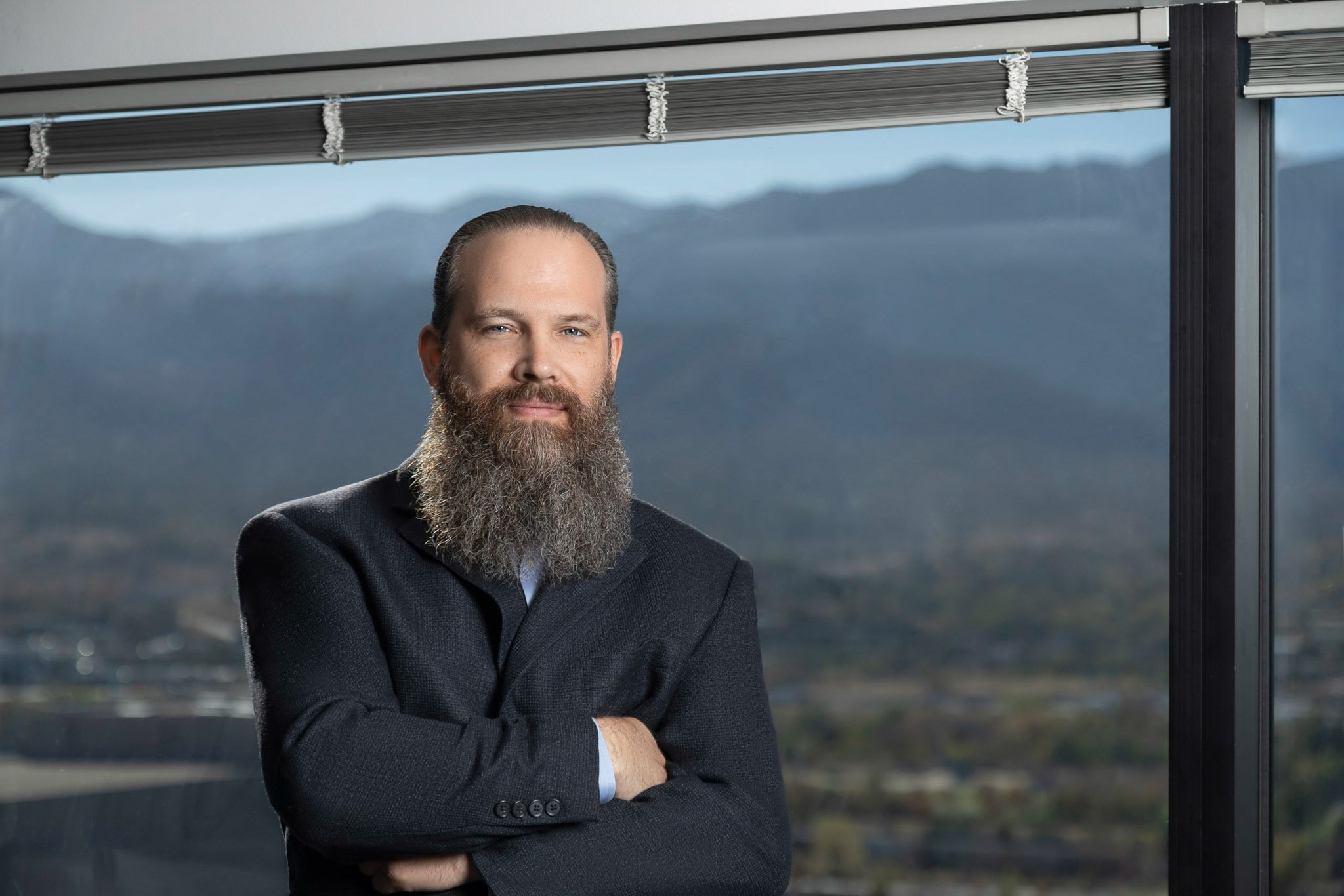
Instead of standing rigidly in front of a background, you might be photographed in an environment that reflects your work. Your posture, expression, and body language become part of the visual narrative.
These details communicate things that words alone cannot:
• confidence
• approachability
• creativity
• authority
• warmth
When someone visits your website or LinkedIn profile, they should feel like they are seeing the real person behind the brand.
Authenticity builds trust, and trust is the foundation of any successful professional relationship.
2. They Tell a Visual Story About Your Work
Editorial photography has its roots in magazines. When you open a feature in a publication, the portraits rarely look like simple headshots. They are carefully crafted images that tell a story about the person being featured.
The same principle applies to branding photography.
An editorial portrait session creates images that feel like moments instead of poses.
For example:
• a consultant reviewing notes before a meeting
• an entrepreneur working in a creative studio
• a professional walking through a workspace
• a business owner interacting with tools of their craft
These moments are not random snapshots. They are strategically designed scenes that illustrate how you show up in your work.
When potential clients see these images, they begin to picture themselves working with you.
That emotional connection is incredibly powerful. Instead of simply reading about what you do, viewers are able to experience your brand visually.
3. They Move Your Brand Away From Generic Stock Imagery
Stock photography has its place, but when it comes to building a personal brand, it often creates distance instead of connection.
Most audiences can immediately recognize when an image is generic. The lighting looks perfect but impersonal. The expressions feel rehearsed. The people in the photos obviously are not the professionals they claim to represent.
Editorial portraits solve this problem.
With custom photography, every image belongs to your brand alone. Your face, your expressions, your workspace, your environment—these elements make the imagery unmistakably yours.
This uniqueness matters for several reasons:
First, it helps your brand stand out. In a crowded online world, originality immediately captures attention.
Second, it reinforces credibility. When viewers see authentic imagery instead of stock photos, they instinctively understand that they are looking at a real professional.
And third, it creates consistency. The same visual language can be used across your website, social media, marketing materials, and press features.
Consistency strengthens brand recognition, and editorial portraits make that consistency possible.
4. They Capture Confidence Without Looking Staged
One of the biggest challenges professionals face during photo sessions is the fear of looking awkward or overly posed.
Ironically, the more someone tries to “look professional,” the more unnatural the result can appear.
Editorial portrait photography approaches this differently.
Instead of focusing on rigid poses, the process focuses on natural posture, subtle movement, and authentic expression.
Lighting, composition, and direction are used intentionally to highlight your best features while keeping the experience relaxed and natural.
The result is a portrait that communicates confidence without stiffness.
This is especially important in industries where trust and expertise matter. Lawyers, consultants, executives, financial advisors, and healthcare professionals all benefit from images that convey authority while still feeling approachable.
When someone looks at your portrait and thinks, “I feel like I could talk to this person,” the image has done its job.
5. They Create Visual Authority for Your Brand
Professional authority is built in many ways: experience, expertise, reputation, and visibility.
Your photography plays a surprisingly important role in how that authority is perceived.
Think about the professionals you see featured in magazines, industry publications, podcasts, or conference websites. The portraits used in those contexts almost always follow an editorial style.
They feel polished, thoughtful, and intentional.
That visual language signals credibility.
When your own brand uses editorial portraits, you are placing yourself in that same visual category. Your images begin to look like they belong in magazine features, professional profiles, and thought leadership articles.
This subtle shift elevates how people perceive you.
It tells viewers that you are not just someone offering a service—you are an expert with a point of view and a voice worth listening to.
Why Authentic Branding Matters More Than Ever
Today’s audiences are extremely visually literate. They scroll through thousands of images every day across websites, LinkedIn, social media, and news platforms.
Because of this constant exposure, people develop a strong instinct for authenticity.
Images that feel overly polished or impersonal tend to be ignored. Images that feel real, human, and expressive capture attention immediately.
Editorial portraits strike the right balance.
They are professional without being rigid. Polished without being artificial. Intentional without feeling staged.
For personal brands especially, this balance is essential.
Your clients want to know who they will be working with. They want to see the human behind the expertise.
When your photography reflects that truth, your brand becomes more relatable, more memorable, and more trustworthy.
The Real Goal of Editorial Portrait Photography
At the end of the day, editorial portraits are not about looking perfect.
They are about looking like yourself on your best day.
The right lighting, thoughtful direction, and a comfortable environment allow your personality to come forward naturally. Instead of hiding behind a generic corporate image, you step into a visual identity that feels genuine.
And that authenticity is exactly what modern branding requires.
People connect with people.
When your photography reflects the real person behind the brand, your audience is far more likely to trust you, remember you, and choose to work with you.
If you are building a personal brand, updating your website, or preparing for new marketing opportunities, editorial portrait photography can transform the way your audience sees you.
Because in the end, the most powerful brand image you can show the world is simply the real you.