
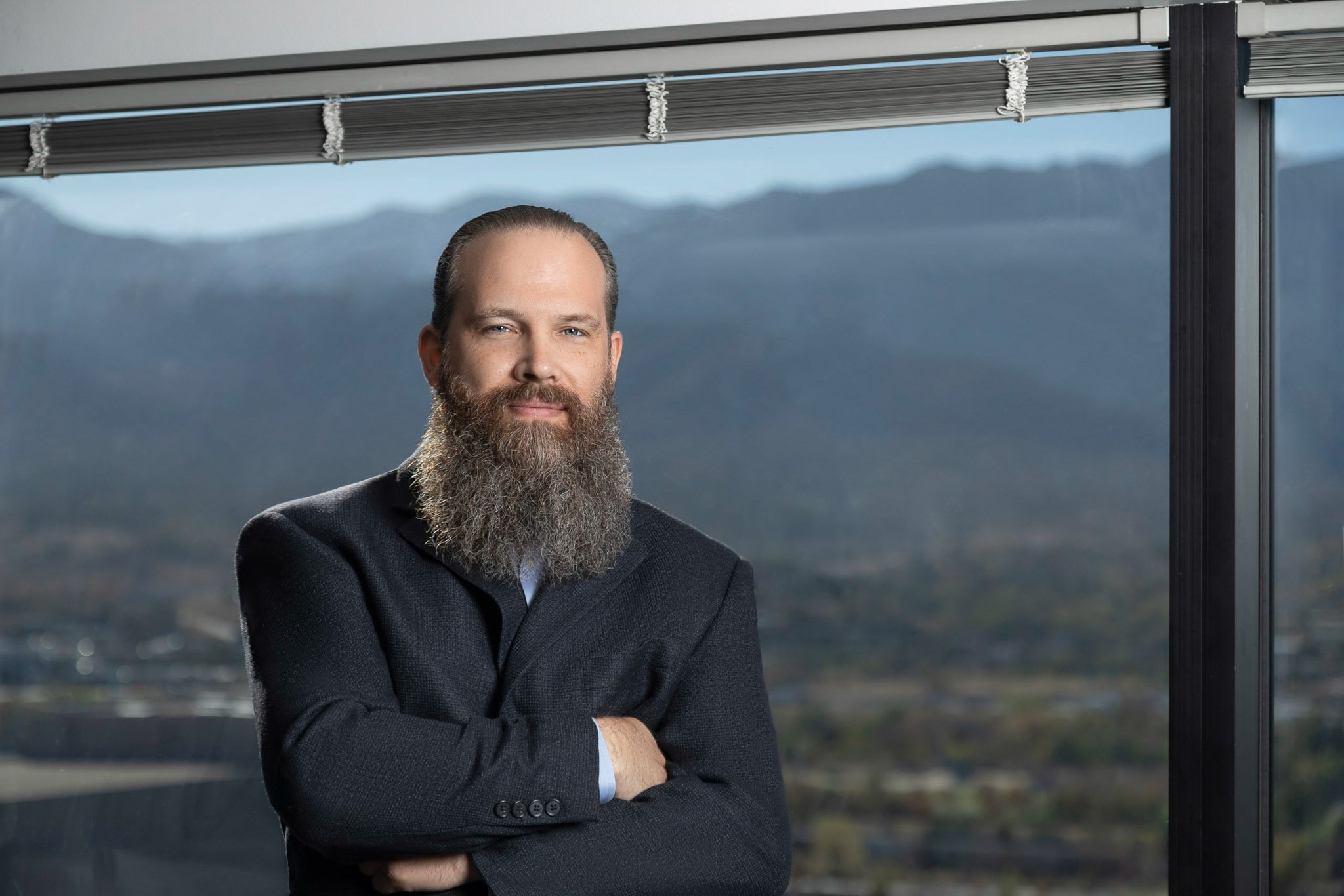
What Is a Classic Portrait
/A classic portrait is a form of photography built on restraint, where light, composition, and expression are used with intention rather than excess. It is not defined by trends or editing styles, but by the ability to present a person clearly and without distraction. The focus is always on presence—how someone naturally exists in front of the camera when nothing unnecessary is competing for attention.
For those looking for classic portrait photography or a professional headshot, the interest is rarely in decoration or visual effect. It is in clarity. A portrait that feels grounded, honest, and capable of representing a person across time and context carries more value than anything designed for immediate impact.
A portrait built on restraint and intention
A classic portrait begins with the principle that less is not absence, but control. Every element within the frame is considered, and anything that does not contribute to the subject is removed or reduced. This is not minimalism for aesthetic sake, but a way of ensuring that the photograph remains focused and readable.
Unlike trend-based imagery, which often relies on styling or post-production effects, timeless portrait photographydepends on structure. The image is built slowly, with attention to posture, light direction, and expression, so that the final result feels stable rather than temporary.
Light as the defining structure
In a studio lighting portrait, light is not treated as decoration but as structure. It defines the shape of the face, controls depth, and establishes the emotional tone of the image. Whether working with controlled studio setups or natural window light, the goal is always consistency and clarity rather than dramatic effect.
Good lighting does not draw attention to itself. Instead, it allows the subject to appear balanced and natural, with subtle dimension that supports rather than overwhelms. The strength of a classic portrait often comes from how quietly the light is handled.
Expression without performance
A classic portrait depends heavily on expression, but not in the way it is often assumed. It is not about producing a specific look or emotional display, but about removing the sense of performance that most people naturally bring into a session.
At the beginning of a portrait session, there is often awareness of the camera that influences posture and expression. As that awareness softens, the image begins to change. The strongest photographs tend to appear in those quieter transitions where expression is no longer managed, but simply present. What emerges is not a pose, but a moment of ease that feels closer to recognition than performance.
Composition and visual simplicity
Composition in classic portrait photography is deliberate but unobtrusive. The frame is arranged so that the viewer’s attention naturally returns to the subject without needing visual instruction. Backgrounds are kept understated, often neutral or softly textured, so they remain present without becoming dominant.
This kind of visual simplicity is what allows the portrait to remain relevant over time. When stylistic trends shift, the clarity of a well-composed image does not lose its readability. It continues to function without needing reinterpretation.
Wardrobe and visual consistency
Clothing in a portrait plays a supporting role rather than a leading one. It should not compete with expression or introduce unnecessary visual complexity. Neutral tones, structured pieces, and minimal patterns tend to work best because they allow attention to stay on the subject rather than the styling.
In a professional headshot, this becomes particularly important because the image is often used across multiple platforms and contexts. Consistency matters more than individuality of styling, and the goal is to ensure the portrait remains appropriate wherever it appears.
Why portrait photography matters in professional context
A portrait is often the first introduction someone has to a person or brand. It appears on websites, professional profiles, publications, and digital platforms long before any direct interaction takes place. Because of this, portrait photographybecomes part of communication rather than presentation alone.
A strong portrait does not attempt to exaggerate identity. Instead, it clarifies it. It removes uncertainty and presents the subject in a way that feels appropriate, composed, and aligned with how they want to be perceived professionally.
Snapshot versus portrait
A snapshot captures what was present at a moment in time without consideration of how it will be interpreted. A portrait is constructed with awareness of how it will be seen. It is the difference between recording and presenting.
A snapshot is immediate and unstructured, while a classic portrait is considered and composed. One documents reality as it happens; the other shapes how that reality is understood.
The role of direction in portrait work
Creating a strong portrait requires a balance between guidance and space. Too much direction leads to stiffness, while too little can result in uncertainty. The role of the photographer is to guide the subject into a state where awareness of the camera fades, allowing expression to become more natural.
Often, the strongest images are not created during moments of instruction, but in the pauses between them. This is where the portrait becomes less about posing and more about observing.
Timelessness and long-term use
A well-made timeless portrait is designed to remain usable beyond a specific moment or trend. It does not rely on visual styles that will quickly date the image, but on clarity of composition and expression that remains stable over time.
This makes it especially valuable for professionals who need consistency across multiple platforms. A portrait that continues to function years later reduces the need for frequent replacement and maintains visual coherence across a professional presence.
Final thoughts
A classic portrait is defined by what it removes as much as by what it includes. By reducing distraction and focusing on light, expression, and composition, it creates an image that feels steady and direct. It does not rely on trends or effects, but on structure and presence.
For those seeking a professional headshot or a more intentional form of portrait photography, this approach offers something enduring. It presents a person clearly, without distortion or excess, and allows the image to remain relevant long after it is created.